
Introduction:
Although the terms panic attack and anxiety attack are sometimes used synonymously, they refer to different experiences. Recognizing their differences can assist people in identifying symptoms, getting the right support, and successfully managing their mental health.
What is an Anxiety Attack?
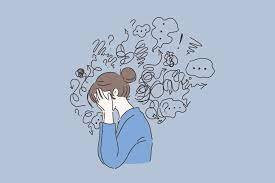
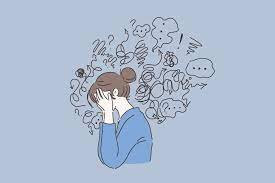
An anxiety attack is a sudden and intense episode of fear and anxiety. These attacks can occur unexpectedly, seemingly out of the blue, or they may be linked to specific triggers. It’s important to note that the term “anxiety attack” is not a formal, clinical term. People often use it colloquially to describe various anxious responses.
The symptoms of an anxiety attack can vary from person to person. Some individuals may experience only a few mild symptoms, while others may have a wider range of more intense sensations. These symptoms may include:
- Apprehension
- Diarrhea
- Difficulty sleeping
- Dry mouth
- Irritability
- Lightheadedness
- Headache
- Muscle tension
- Nausea
- Rapid heart rate
- Shaking
- Sweating
- Tightness in the chest and throat
- Trouble concentrating
- Worry
What is a Panic Attack?
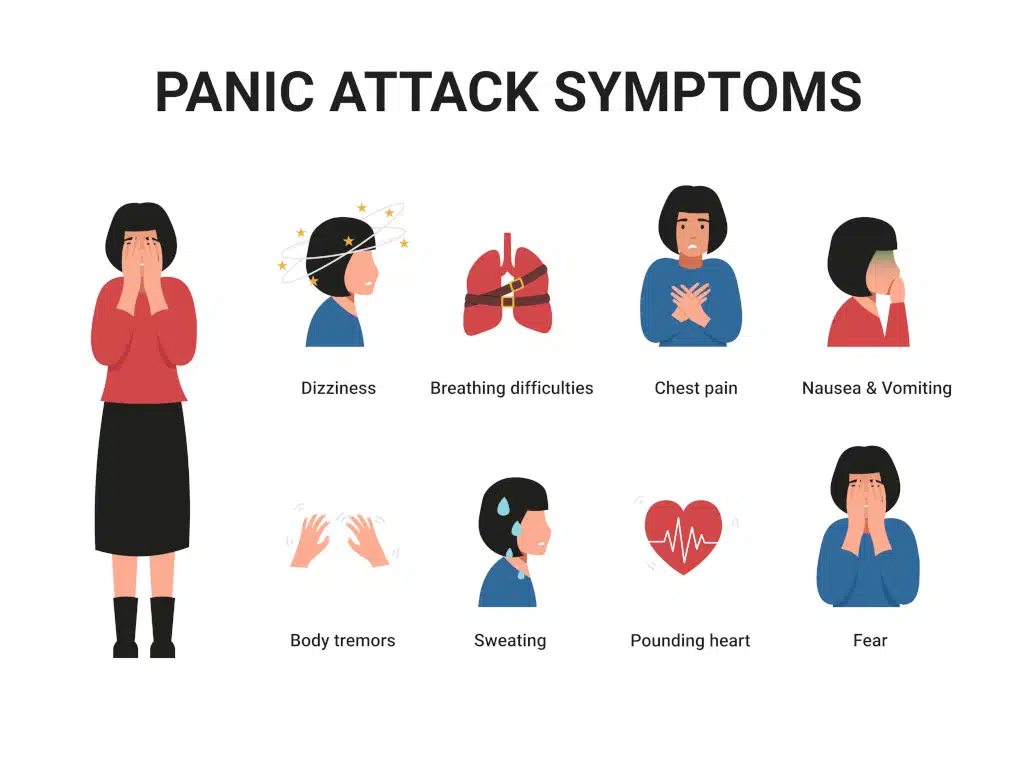
Conversely, panic attacks come on unexpectedly and are characterized by extreme, overpowering terror. There are difficult physical symptoms associated with these assaults, like:
• Racing heartbeat
• Shortness of breath
• Nausea
• Chest pain
• Tightness in the throat
• Sweating
• Trembling or shaking
• Numbness or tingling
The DSM-5 recognizes two types of panic attacks:
1. Unexpected Panic Attacks: These occur without an obvious cause.
2. Expected Panic Attacks: Triggered by external stressors, such as specific phobias.
Symptoms Comparison:
Anxiety attacks and panic attacks both have similar physical and psychological signs. One can experience both at the same time. For example:
- Anxiety might build while worrying about a stressful situation (e.g., an important work presentation).
- When that situation arrives, anxiety may escalate into a panic attack.
Common symptoms include:
- Apprehension and worry
- Fear of dying or losing control
- Sense of detachment from the world (derealization) or oneself (depersonalization)
Seeking Help:
It is important to seek professional assistance if you or someone you know struggles with anxiety or panic attacks. Medication, changes in lifestyle, and treatment (such as cognitive-behavioral therapy) can all be forms of treatment.
Remember that you can effectively control your mental health by being aware of the differences between panic and anxiety. Consult with a mental health specialist for specialized advice and assistance.